On the road: behind the blast at Bardon Hill Quarry
Bardon Hill is the highest point in Leicestershire. Beneath it sits ancient volcanic rock – and one of the most impressive heavy industrial operations in the UK.
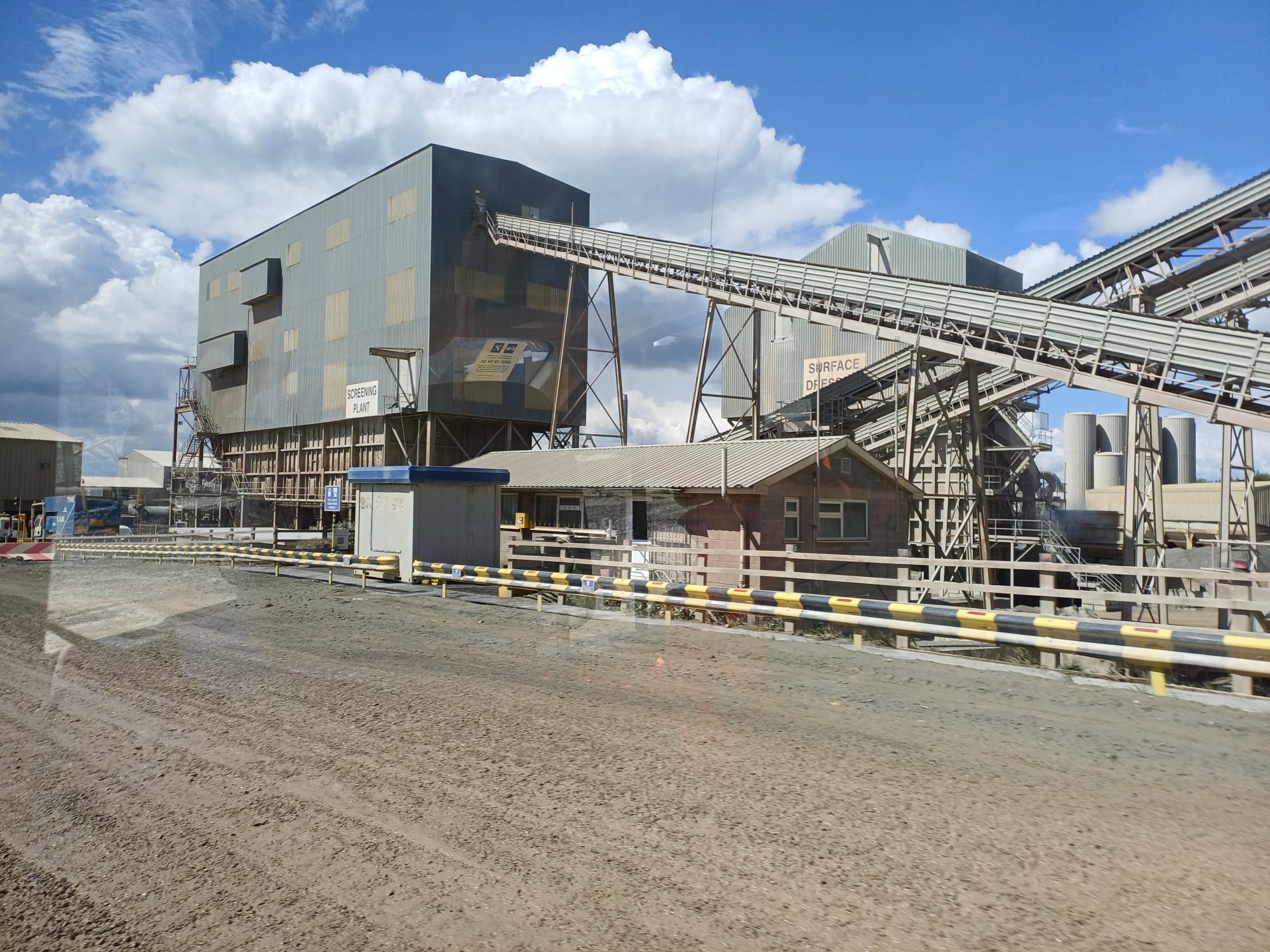
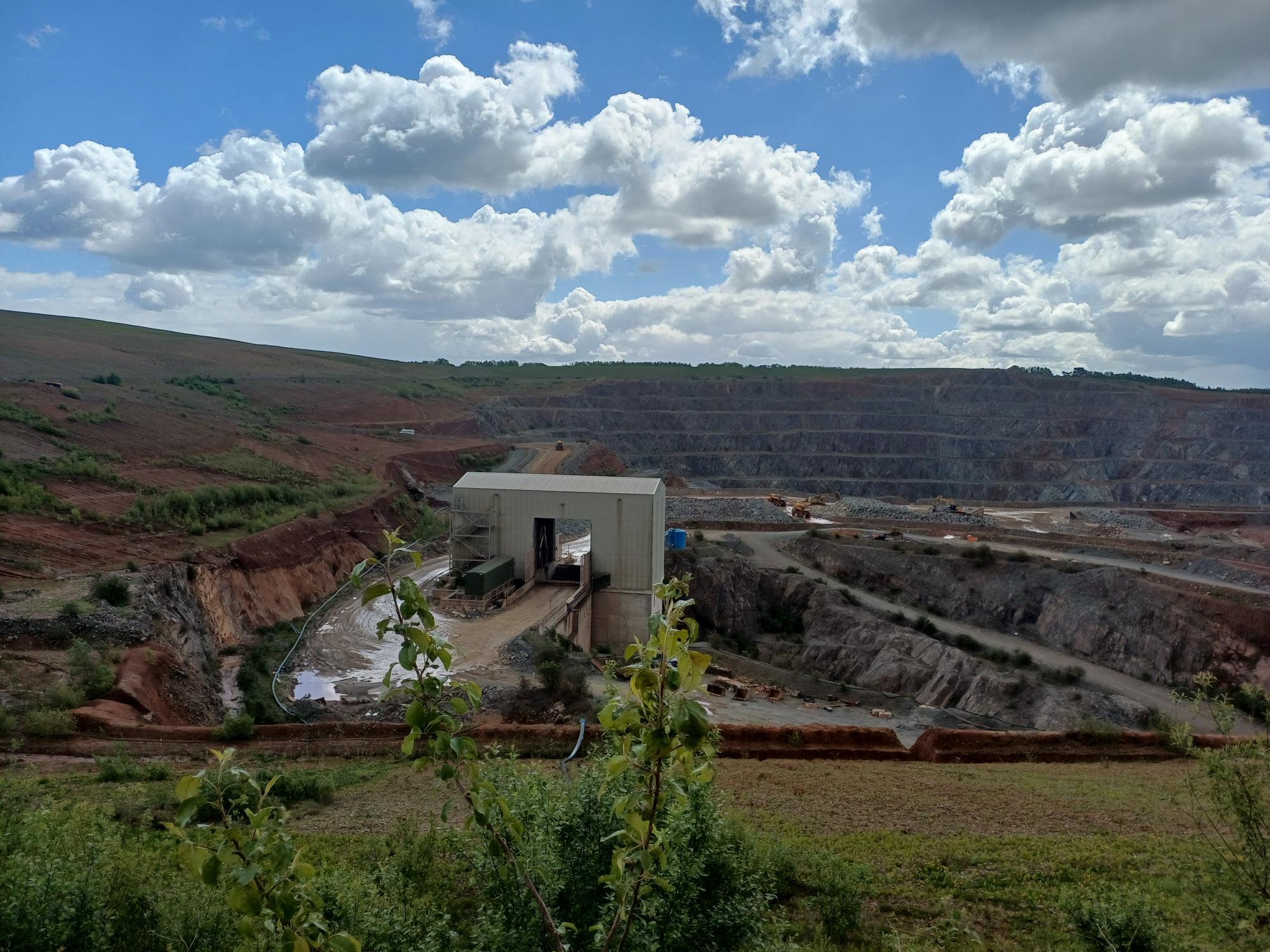
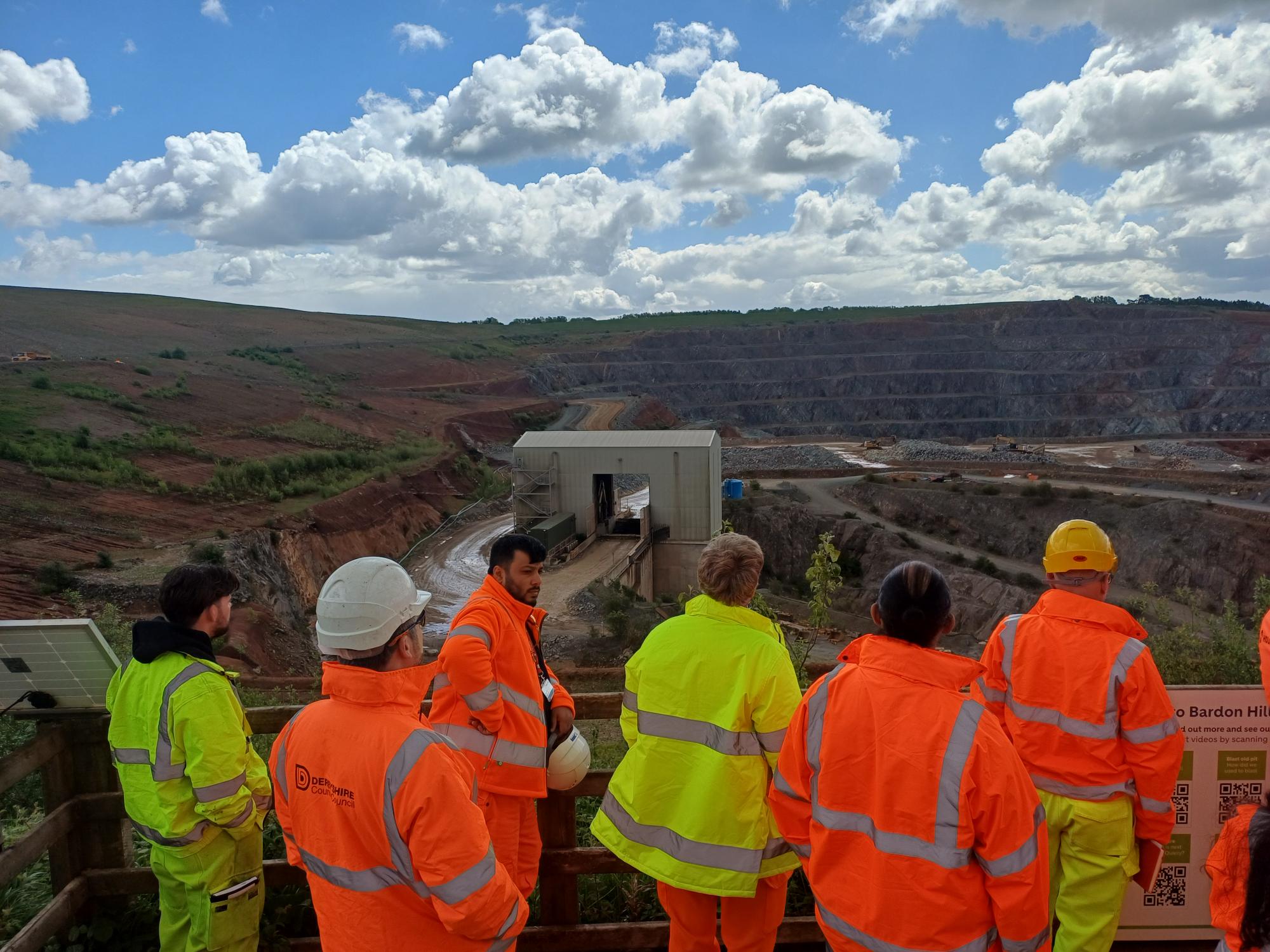 MHA+ members from Derbyshire, Leicestershire, Staffordshire and Warwickshire County Councils recently got a rare look inside Holcim’s Bardon Hill Quarry, near Coalville. Twelve highway professionals spent a morning touring a site that has been continuously worked for over 400 years and now supplies roughly 15% of the UK’s crushed granite aggregate, producing 3 million tonnes of high-quality material every year.
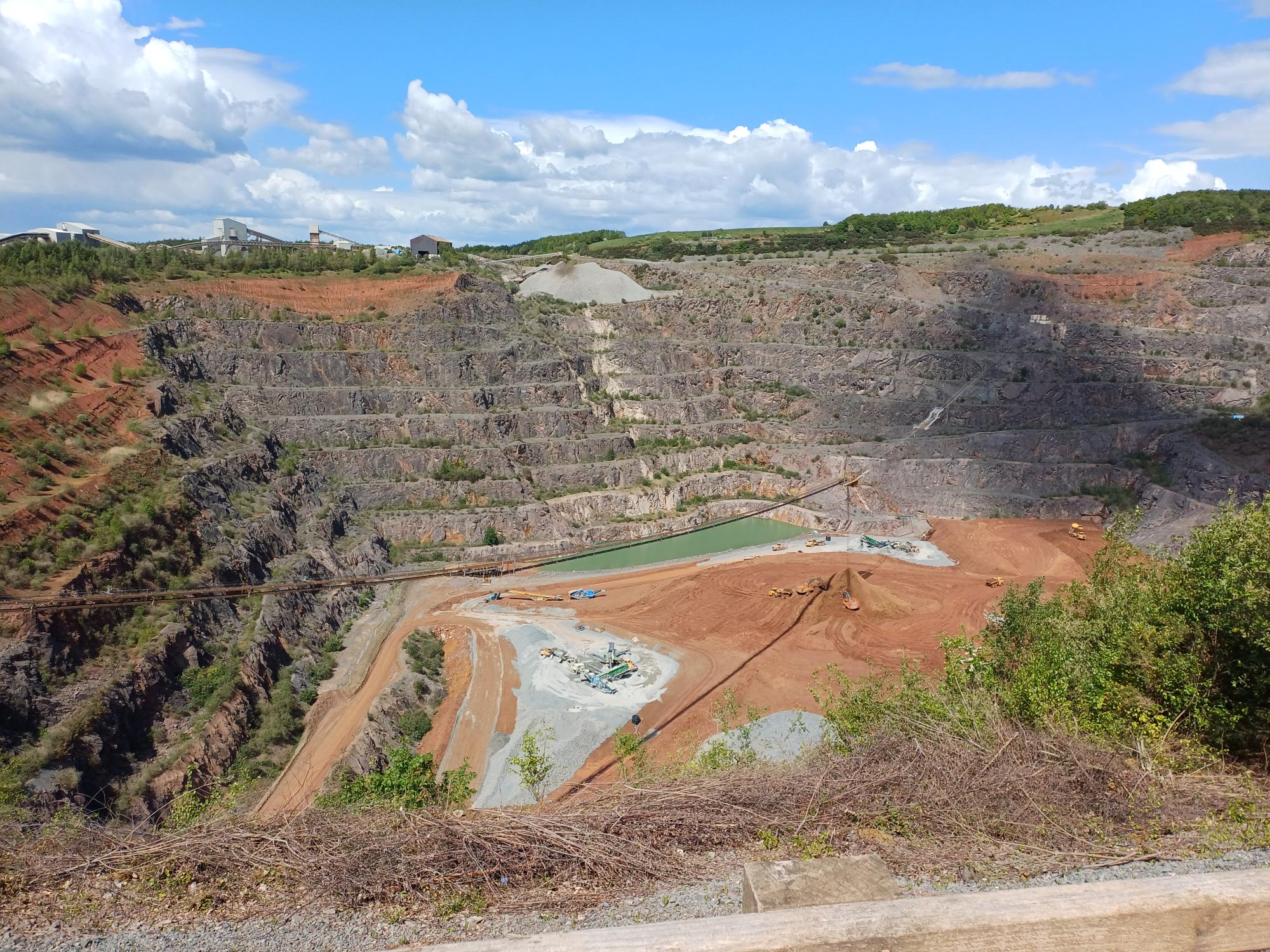
The numbers alone are staggering. The quarry sits on a 58-hectare geological Site of Special Scientific Interest (SSSI), exposing rocks from a volcano that last erupted around 570 million years ago. A recent major extension has unlocked more than 130 million tonnes of new reserve, with production set to scale beyond 4 million tonnes annually – underpinning highways and construction projects across the country.
A striking feature of the modern operation is an 850-metre aerial conveyor system that sweeps inert infill back across the quarry centre to restore the original quarry, minimising further ground disturbance and navigating the site’s varied topography with remarkable efficiency. It’s a vivid demonstration of how sustainability and large-scale mineral extraction don’t have to be in conflict.
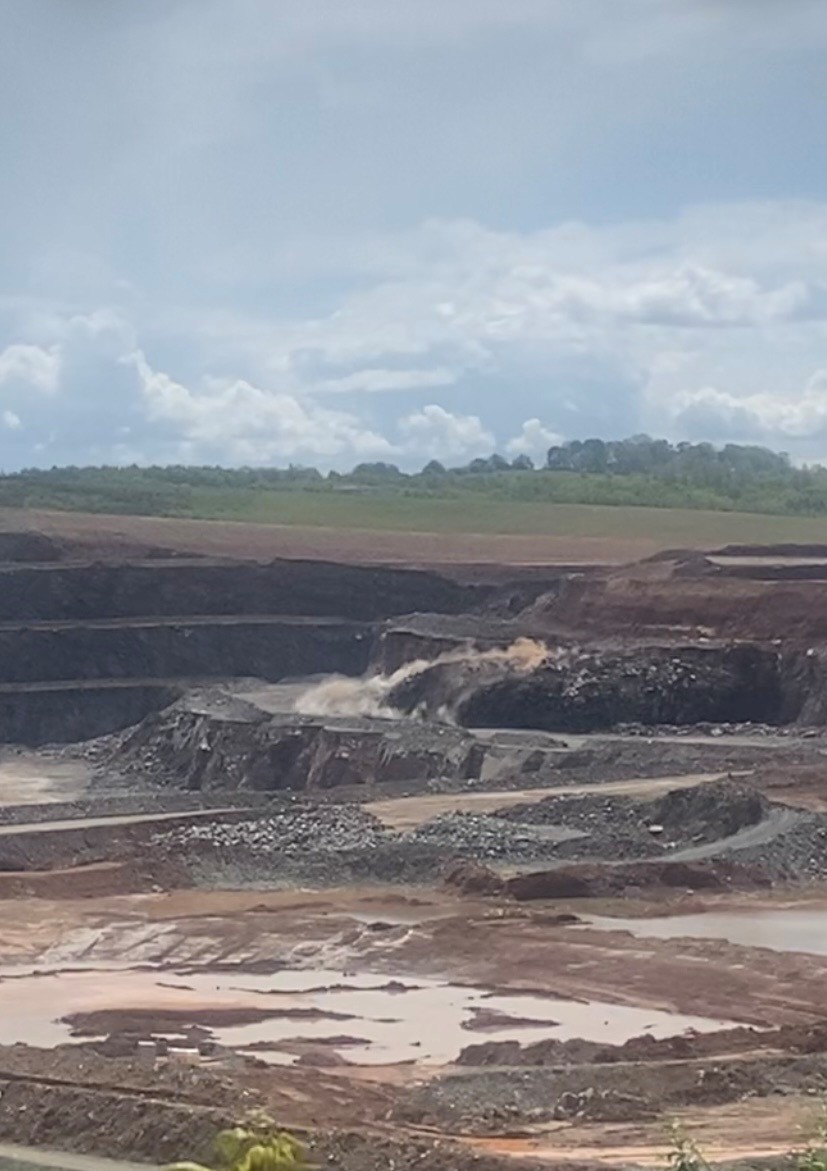
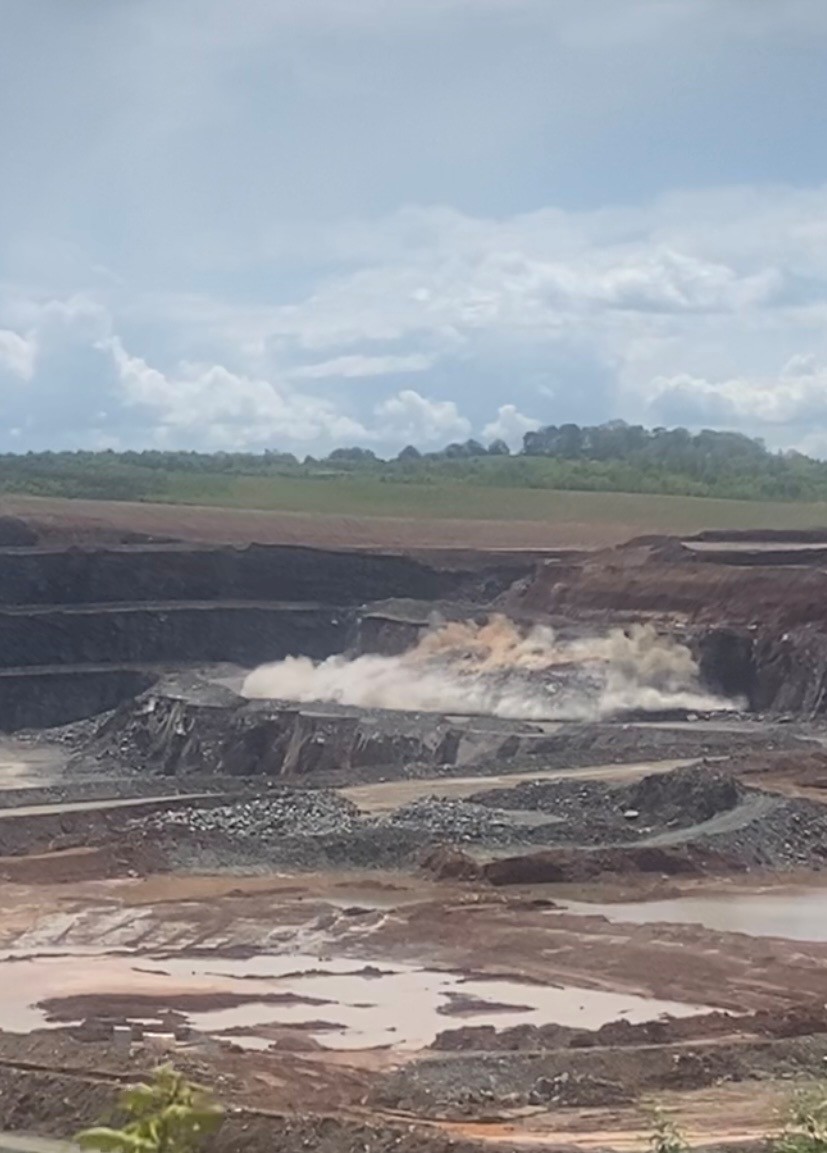
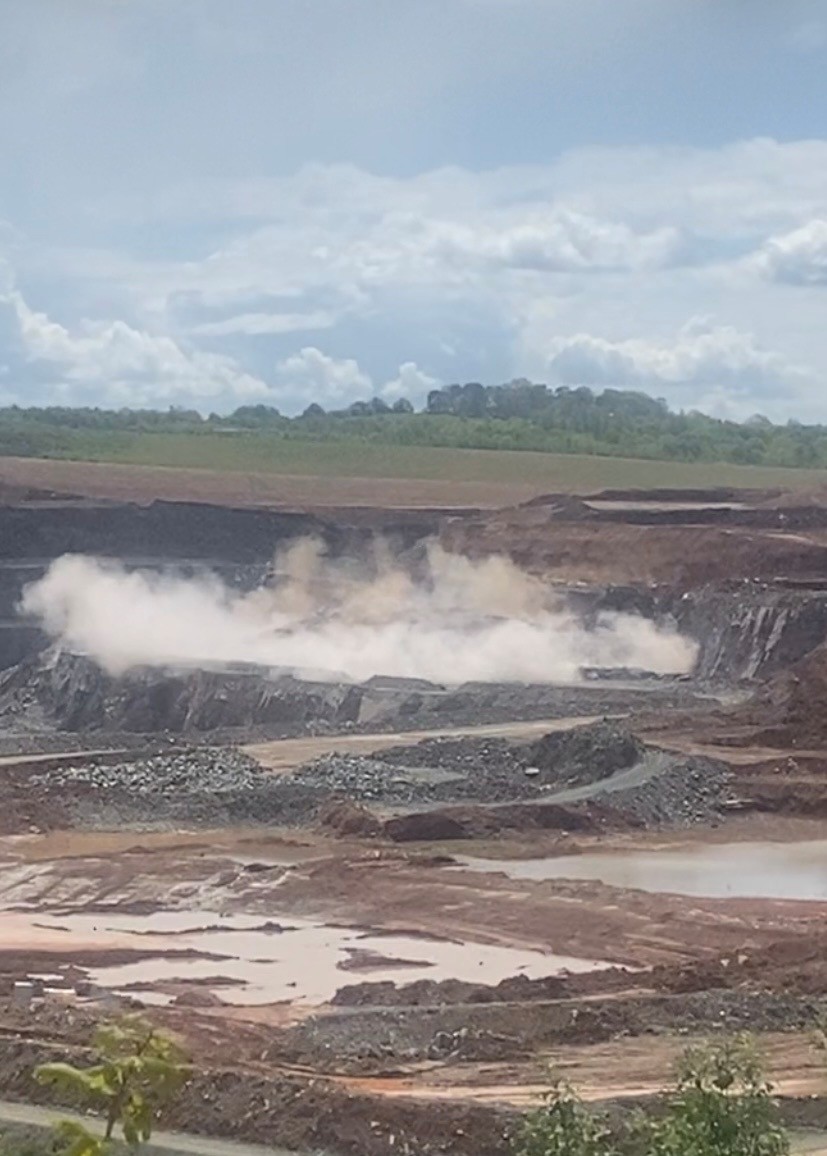
The highlight for many was witnessing a live blast from a viewing platform – watching raw explosive excavation in action. Chris Green, Head of Service for Highway Operations at Leicestershire County Council, summed it up: “One of the most interesting quarry visits I’ve done. I was amazed by the size and scale of the operation. Standing on a viewing platform to witness Holcim blasting was quite a unique experience.”
Following the tour, Holcim’s Roger Eke walked members through the company’s approach to materials, aggregates and the circular economy – demonstrating practical opportunities to recycle materials, improve efficiency and, in many cases, reduce cost. Matt Cluskey, Project Engineer at Derbyshire County Council, reflected on the session: “A valuable demonstration of how innovation in materials and recycling – such as Foamix and ex situ processes – can deliver significant cost and carbon savings while improving efficiency and performance in highway schemes.”
For highways professionals, seeing the full supply chain in action – from ancient volcanic rock to finished road surface – brings a new perspective to procurement and specification decisions back at the office.
The visit also gave a small group of apprentices a rare opportunity to see the operation at first hand – an experience few early-career professionals in the sector would normally get access to.
Site visits like this are one of the many benefits of MHA+ membership, particularly through our Service Improvement Groups (SIGs). Find out more about MHA+ membership and how our Service Improvement Groups could benefit your team.